
Why Sex Still Hurts Even After Pelvic Floor Therapy
Pelvic floor therapy can help loosen muscles and reduce pain, yet many people still experience painful sex afterward. When penetration continues to hurt despite physical treatment, it’s often because the nervous system has learned to associate penetration with threat rather than arousal. This article explains why pain can persist after pelvic floor therapy and how sex therapy helps retrain the brain–body connection so sex can feel safe, chosen, and pleasurable again.
A Clinical Perspective: Why “Are We Dating the Same Guy?” Can Undermine Trust, Intuition, and Emotional Safety
From a clinical perspective, crowdsourced dating vetting groups like Are We Dating the Same Guy? can reinforce hypervigilance, erode self-trust, and disrupt nervous system regulation. While often framed as protective, these platforms may unintentionally undermine intuition, emotional safety, and relational discernment—especially for those healing from dating trauma.
Vaginal Penetration Anxiety, Pelvic Floor Dysfunction, and Why Dilators Alone Don’t Solve the Problem
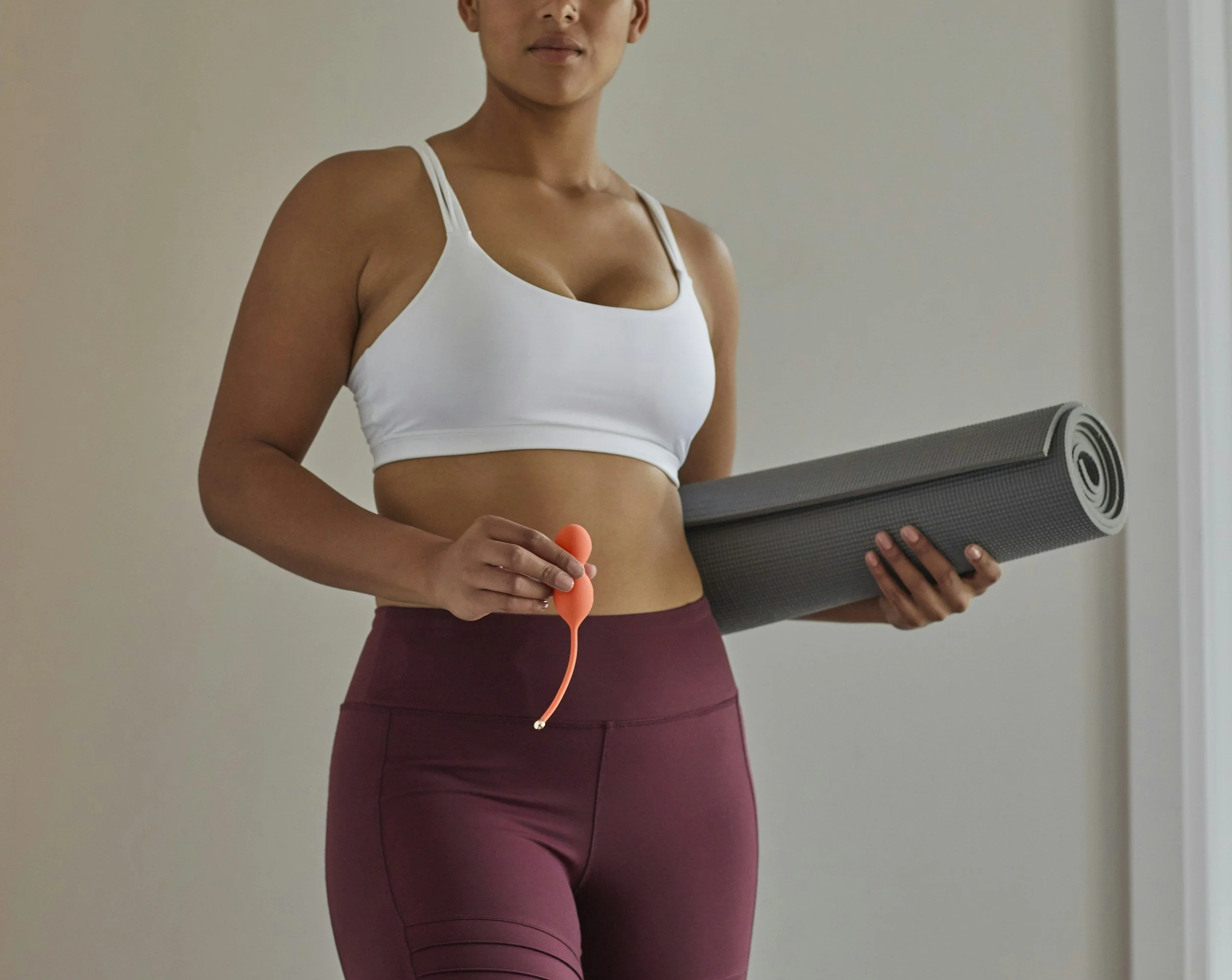
Vaginal penetration anxiety and pelvic floor dysfunction are not just physical conditions—they are brain–body responses to threat. While vaginal dilators can help open the vaginal opening, they don’t teach the nervous system to associate penetration with arousal, safety, or desire. This article explains why integration—not exposure alone—is essential for healing.
The Ethical Problem With “Are We Dating the Same Guy”
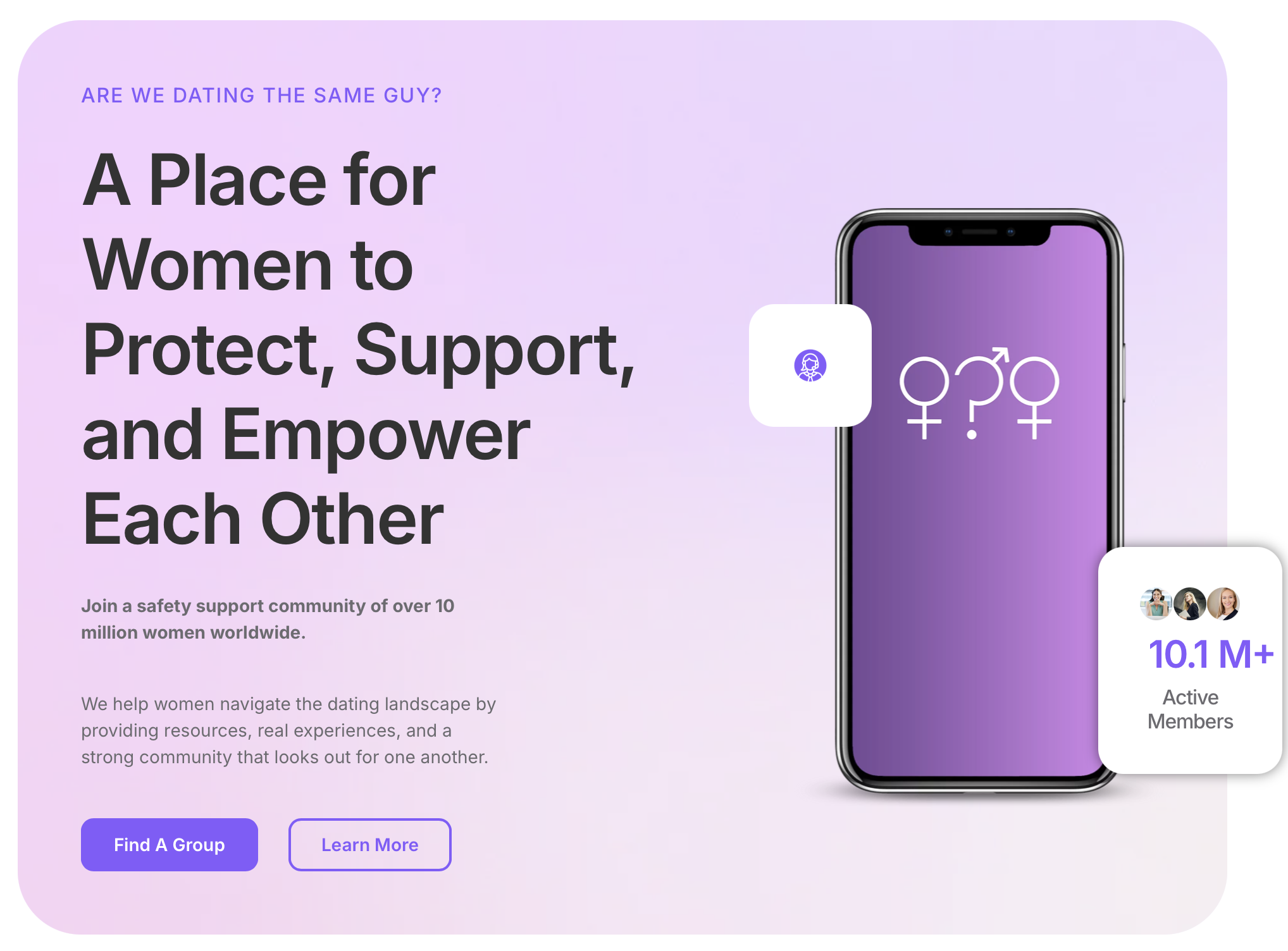
Facebook groups like Are We Dating the Same Guy? are often framed as tools for women’s safety, but they raise serious ethical and psychological concerns. When private individuals are publicly discussed without consent, the line between protection and surveillance blurs. This article explores the ethical risks, privacy issues, and unintended relational harm of crowdsourced dating vetting.