Why the Cold Can Lower Sexual Desire (and What Warmth Has to Do With Arousal)
In my practice, I often remind clients that sexual desire doesn’t live in isolation. Libido is not just psychological — it’s physiological, environmental, and nervous-system–dependent. And one surprisingly overlooked factor? Temperature.
This winter has been particularly cold and snowy and people are complaining about it for many reasons.
While we often hear that a cool bedroom is “better for sleep,” sleeping in a space that is too cold can actually interfere with sexual desire, arousal, and intimacy — especially for people already navigating stress, burnout, hormonal shifts, or parenthood.
Let’s talk about why.
Desire Requires Safety — Not Survival Mode
Sexual arousal depends on the nervous system feeling safe, relaxed, and receptive. When your bedroom is overly cold, your body prioritizes temperature regulation and survival, not pleasure.
Cold environments can:
Increase muscle tension
Trigger subtle stress responses
Pull the body into conservation mode
Reduce blood flow to extremities (including genitals)
From a biological perspective, this means the body is saying, “Let’s preserve heat,” not “Let’s open up to sensation.”
Warmth Supports Blood Flow and Sensation
Sexual arousal relies heavily on circulation. Warmth naturally encourages blood flow, which is essential for:
Genital sensitivity
Lubrication and arousal response
Erectile function
Physical comfort and receptivity
When the body is cold, blood is redirected toward core organs to maintain temperature — which can dull sensation and slow arousal. This doesn’t mean something is “wrong” with you; it means your body is doing its job.
Cold Can Disrupt Hormonal and Sleep Cycles
Sleep quality and sexual desire are deeply connected. While mild cooling can support falling asleep, excessive cold can:
Fragment sleep
Increase nighttime cortisol
Reduce restorative REM sleep
Poor or disrupted sleep is associated with lower libido, reduced desire, and decreased sexual motivation — particularly for women and people under chronic stress.
If you’re waking up tense, restless, or exhausted, desire often becomes collateral damage.
The Nervous System Link: Cold = Contraction
From a nervous-system perspective:
Cold promotes contraction
Warmth promotes expansion
Sexuality thrives in expansion — physical, emotional, and relational. A cold bedroom can subtly cue the body to brace, curl inward, or disconnect from sensation.
Warmth, on the other hand, signals:
Safety
Relaxation
Openness
Embodiment
These are foundational ingredients for sexual desire.
Why This Matters for Couples
Many couples interpret low desire as a relationship issue or personal failure, when in reality, the environment is working against intimacy.
If one or both partners are:
Cold
Tense
Rushing to get warm
Focused on sleep rather than connection
…it’s not surprising that desire doesn’t naturally arise.
Sometimes improving intimacy isn’t about communication skills or “trying harder” — it’s about changing the conditions that allow desire to emerge.
Gentle Shifts That Can Help
This doesn’t mean your bedroom needs to be hot. It means it should feel comfortably warm and inviting.
Some simple adjustments:
Warmer bedding or layered blankets
Heated mattress pad or throw
Socks or cozy sleepwear during colder months
Warming the room before intimacy, not just before sleep
Viewing warmth as part of sexual wellness, not indulgence
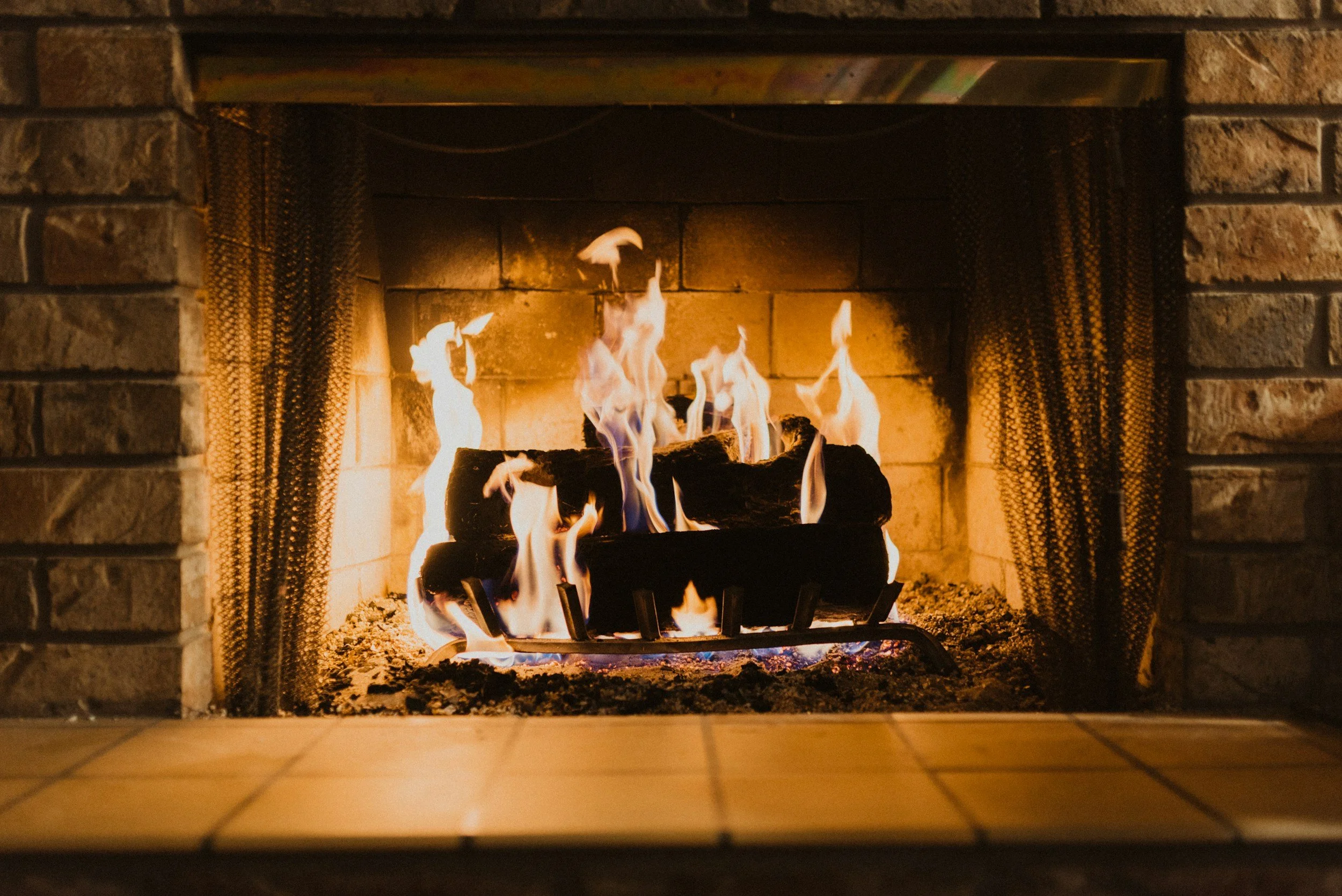
Think of warmth as foreplay for the nervous system.
A Dr. Blau Reframe
Desire is not a switch you flip — it’s a response that emerges under the right conditions.
If your libido feels quieter in colder months or colder spaces, it may not be about attraction, effort, or emotional closeness. It may be about your body needing warmth, safety, and softness before it can access pleasure.
At my practice, Boutique Psychotherapy, my clinicians and I help individuals and couples understand how stress, environment, hormones, and nervous-system regulation shape sexuality — without shame or pressure.
Because desire doesn’t disappear.
Sometimes it just needs the room to warm up.
